Hepatitis means there is inflammation in the liver.
Viruses, alcohol, drugs and other toxins are the most common causes of liver damage and hepatitis. Occasionally, hepatitis can happen because the immune system attacks the liver by mistake.
About your liver
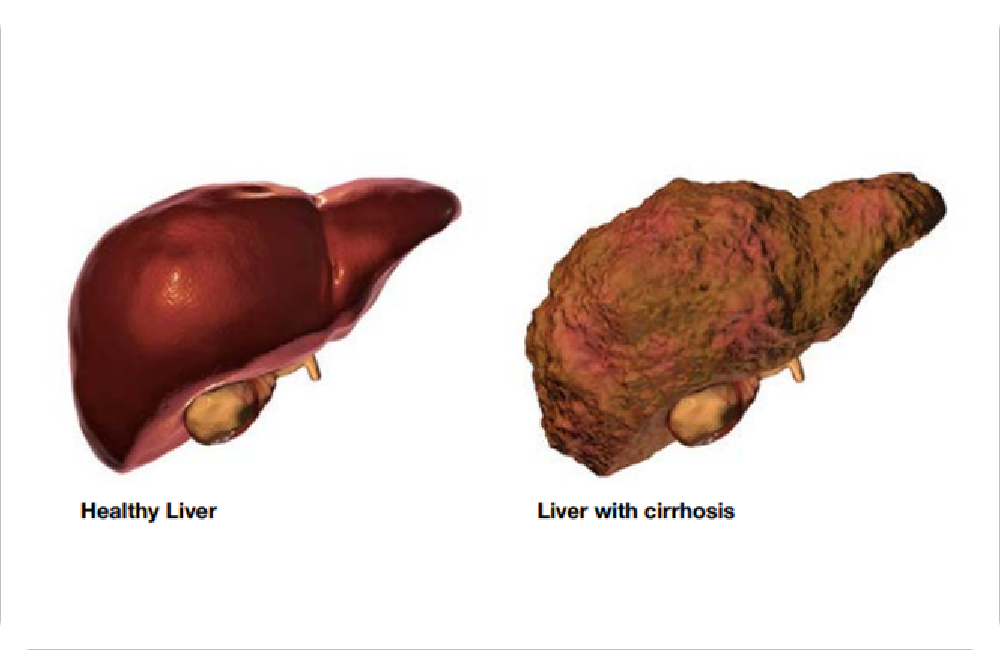
Let’s begin by finding your liver. Place your hand on the right-hand side of your stomach and over your ribs. There it is. It's the largest organ inside your body. It’s about the size of a rugby ball, wedge-shaped and weighs around 1.5 kilograms.
Your liver is important for keeping your body healthy. It makes chemicals in the body and breaks them down, helps us digest food and gives us energy.
Every day your liver:
- clears the blood of waste products, drugs and other toxins
- makes and breaks down hormones
- breaks down old or damaged red blood cells
- stores extra glucose (sugar) so that the body can use it later
- makes cholesterol which we need to make some hormones
- makes most of the body’s proteins, including enzymes (proteins which speed up chemical reactions in the body)
- helps the body digest some fats and vitamins
- stores and releases iron
Your liver is one of the few organs able to regenerate itself. This means it creates new tissue. So, it can still cope with doing all of these things even when it is a bit damaged, just not as well.
There are five types of viruses that can cause hepatitis.
The viruses cause similar symptoms. Some types make you more unwell than others. The viruses spread in different ways.