Skip navigation

What is hepatitis

Hepatitis means there is inflammation in the liver.

Viruses, alcohol, drugs and other toxins are the most common causes of liver damage and hepatitis. Occasionally, hepatitis can happen because the immune system attacks the liver by mistake.

About your liver

Let’s begin by finding your liver. Place your hand on the right-hand side of your stomach and over your ribs. There it is. It's the largest organ inside your body. It’s about the size of a rugby ball, wedge-shaped and weighs around 1.5 kilograms.

Your liver is important for keeping your body healthy. It makes chemicals in the body and breaks them down, helps us digest food and gives us energy. 

Every day your liver:

  • clears the blood of waste products, drugs and other toxins
  • makes and breaks down hormones
  • breaks down old or damaged red blood cells
  • stores extra glucose (sugar) so that the body can use it later
  • makes cholesterol which we need to make some hormones
  • makes most of the body’s proteins, including enzymes (proteins which speed up chemical reactions in the body)
  • helps the body digest some fats and vitamins
  • stores and releases iron 

Your liver is one of the few organs able to regenerate itself. This means it creates new tissue. So, it can still cope with doing all of these things even when it is a bit damaged, just not as well.

There are five types of viruses that can cause hepatitis. 

The viruses cause similar symptoms. Some types make you more unwell than others. The viruses spread in different ways. 
You can get Hepatitis A if you eat or drink something that has come into contact with poo. This can happen when the water source is not clean. It can also happen when people do not wash their hands correctly.

It can make you very sick, but it usually doesn't last long. Most people get completely better.

It is rare in Australia.

Hepatitis B is carried in the blood and sexual fluids.

There is a vaccine for hepatitis B.

You can get it in a few ways:

  • From mother to baby during birth (known as vertical transmission, this is the most common way)
  • From blood to blood, for example from open wounds or injecting equipment
  • From sexual fluids

You can protect yourself by getting a vaccine. The vaccines work well and are safe. They are on the national immunisation schedule.

Most people who come into contact hepatitis B as adults will clear the virus within 6 months.  But most babies that have hepatitis B will have it their whole life. We call this chronic hepatitis B. 

Most people can live well with hepatitis B, but you need to manage it. If you have chronic hepatitis B you will need liver checks every 6 to 12 months. Some people need to take medicine.  

Hepatitis C is carried in the blood. 

There is a cure for hepatitis C.

You can get hepatitis C in a few ways, including:

  • sharing needles, syringes or other injecting equipment, including spoons
  • tattooing or body piercing with unsterile equipment
  • medical procedures with unsterile equipment
  • sharing toothbrushes, razors or nail files.

Treatment cures most people. The treatment is simple to take (tablets) and works in 8 or 12 weeks. 

Even after being cured of hepatitis C, some people may still have health issues—especially if they had the infection for a long time. This is because their liver may already be damaged. Without treatment, hepatitis C can cause liver disease and cancer.

You can only get hepatitis D if you already have hepatitis B. This could be at the same time as you get hepatitis B or later. It can make hepatitis B worse and lead to more serious health problems.

It is rare in Australia.

Hepatitis E is like hepatitis A. You can get it if you eat some types of meat or from drinking water infected with poo. It can make you feel very sick, but it usually doesn’t last long—and most people get better completely.

It is very rare in Australia.

Common Symptoms of Viral Hepatitis (A, B, C, D, E): 

  • Feeling very tired or worn out 
  • Pain or discomfort in your belly (especially on the right side) 
  • Feeling sick or wanting to vomit 
  • Loss of appetite (not feeling like eating) 
  • Fever or chills 
  • Aching muscles or joints 
  • Yellowing of the skin or eyes (called jaundice) 
  • Dark pee and pale or grey poo 
  • Itchy skin 
  • Feeling generally unwell, like having the flu 

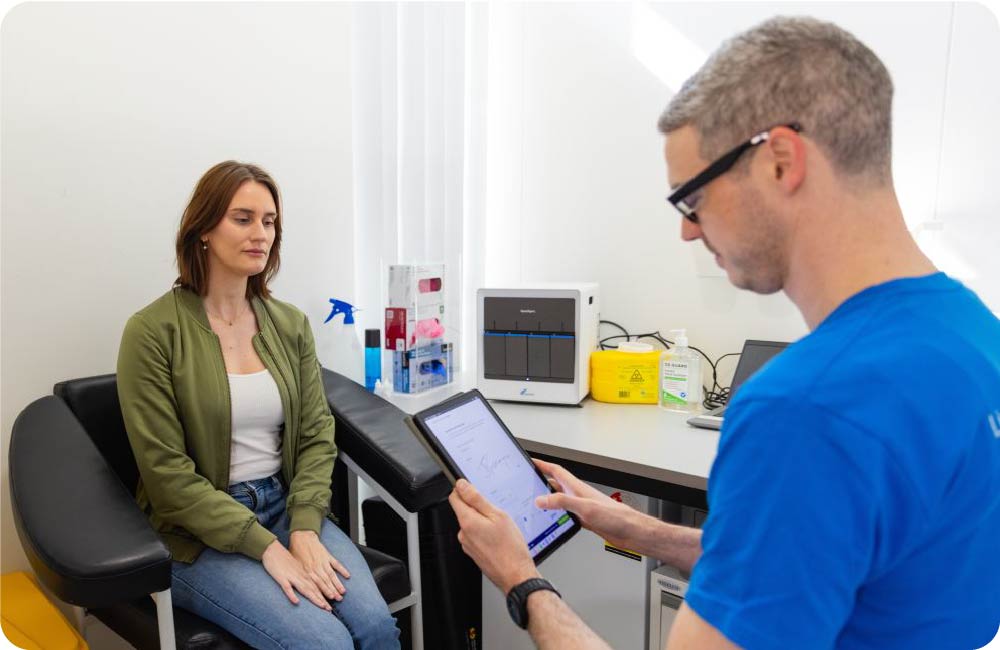
If you think you might have hepatitis, getting a blood test is the first step toward finding answers and getting the right care. 

HepLink can help you understand what to do next, talk through your options, and connect you with local services—including advice on testing, treatment, and any possible costs. 

How hepatitis affects your liver 

Hepatitis can last a few months, or the rest of your life, depending on the type. 

Acute hepatitis 

When you only have hepatitis for a short time, we call it "acute". The virus might make you sick for a few months but then you will likely get better. Some people may feel unwell or experience symptoms. But most people do not get seriously ill if they have acute hepatitis. 

Chronic hepatitis 

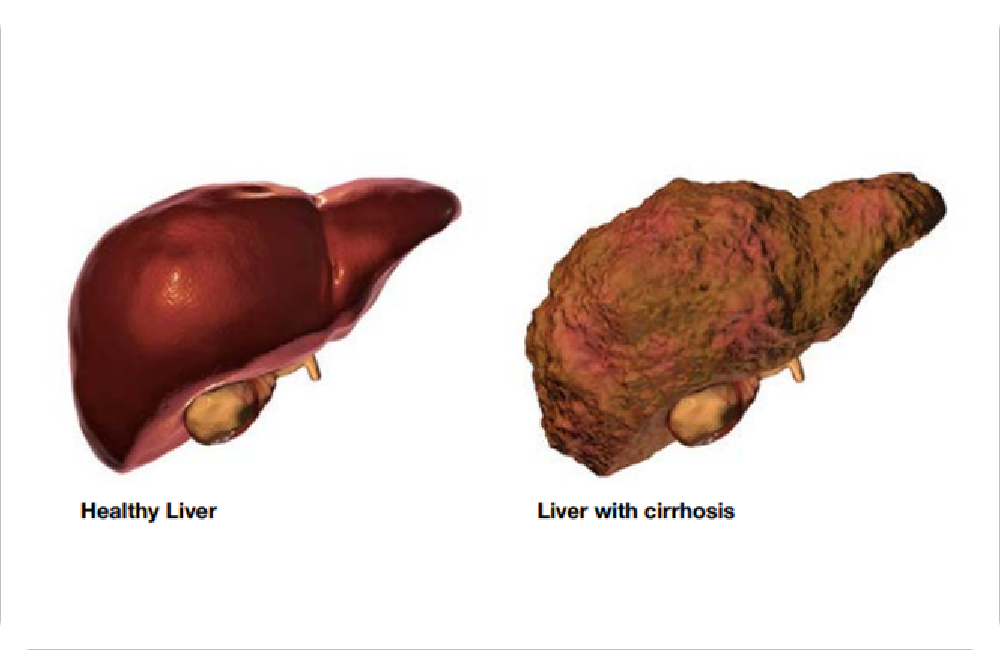
It's possible to have hepatitis for more than 6 months. If you have hepatitis B or C, it can become “chronic”, meaning the virus stays in your body for a long time. You may not feel sick, but over time the virus can harm your liver and stop it working properly. 

Over a long time, this damage can lead to scarring. We call this "fibrosis". If the liver is severely scarred, this is called "cirrhosis", and it affects the blood supply to the liver.  If you have a lot of scarring, the liver stops working. This is liver failure. If you have cirrhosis, you have a higher risk of getting liver cancer. It can also lead to problems in the rest of your body.